

Interest in commercial solar has grown significantly over the past few years. Rising energy costs, sustainability pressure from clients and stakeholders, and improvements in solar technology have all pushed it up the agenda for UK businesses.
But solar is also an area where businesses are frequently sold to before they have been properly advised. The numbers can look compelling in a sales presentation. The reality is more nuanced.
This guide is not a sales pitch. It is a practical overview of what solar actually involves for a small or medium business, what questions you should be asking, and how to decide whether it makes sense for you right now.
How commercial solar actually works
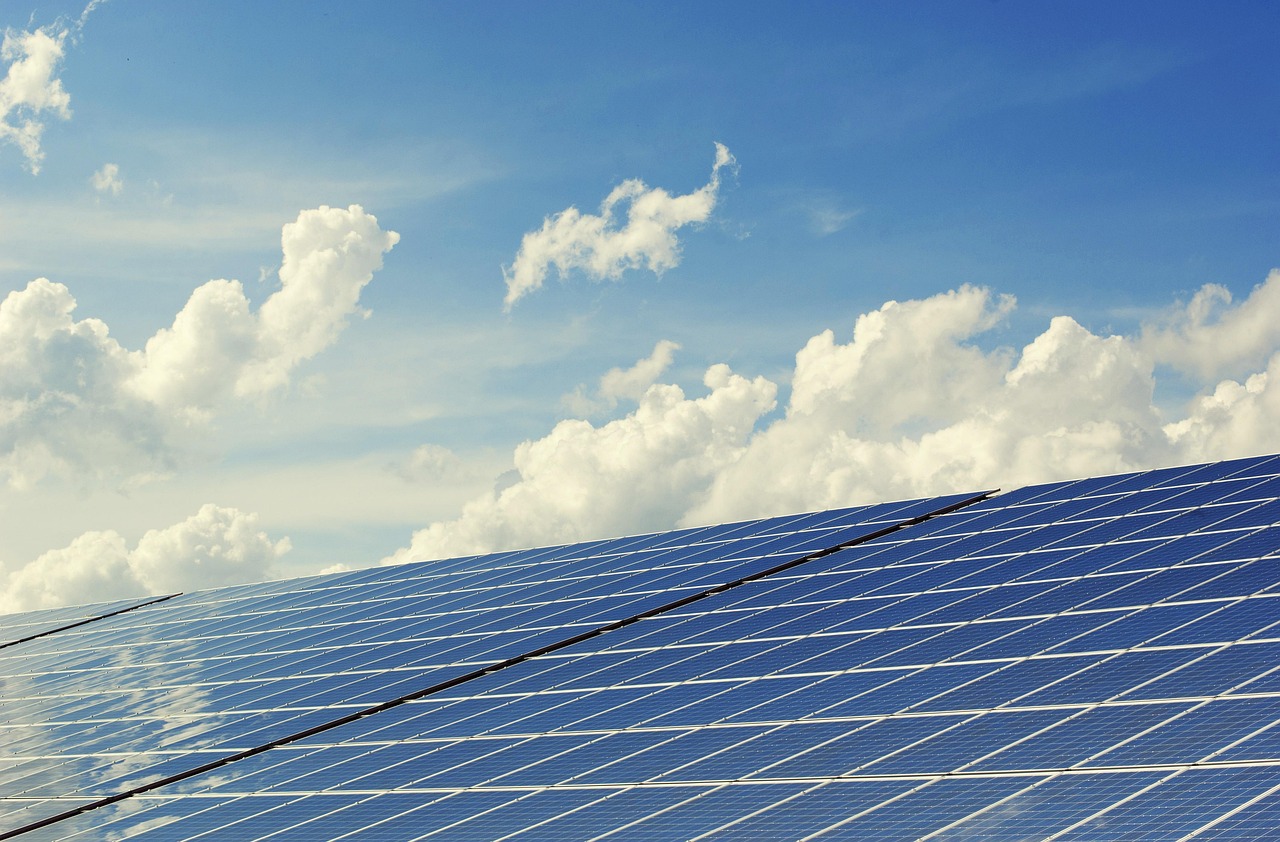
Rooftop solar panels generate electricity from daylight. That electricity can be used directly by your business during the day, reducing what you draw from the grid. Any surplus can be exported, stored in a battery, or in some cases sold back through an export tariff.
The key variables that determine whether solar is right for your business are:
Solar works best for businesses that use a significant proportion of their electricity during daylight hours. If most of your usage is in the evenings or overnight, the case for solar is weaker unless you are also adding battery storage.
What does commercial solar cost in 2026?
As a general guide for an SME commercial rooftop system:
The numbers presented in sales conversations often assume:
It is worth stress-testing those assumptions against your actual usage data before committing. A site survey and independent advice before any installation quote will give you a more accurate picture.
Finance options for business solar
Most SMEs do not pay for solar outright. There are several finance routes worth understanding.
The right finance route depends on your cashflow position, how long you plan to remain in the building, and your appetite for a long-term contractual commitment.
Solar and your energy contract
This is the part that often gets missed in solar conversations. Your existing energy contract matters.
If you are locked into a fixed-rate contract, adding solar does not remove what you owe under that agreement. You will still pay for the contracted volume. In some cases, there may be clauses around how consumption changes affect the contract.
The ideal time to explore solar is when your energy contract is coming up for renewal. That way you can structure the new contract around your anticipated usage after the installation — which can make a significant difference to the overall cost picture.
If you are also considering battery storage, the timing becomes even more important. Battery storage changes how and when you draw from the grid, which can affect what tariff structure makes the most sense.
The sustainability angle
Solar has a genuine role to play for businesses that want to reduce their carbon footprint and support sustainability goals. For some sectors — including hospitality, care, and venues — this is increasingly important for procurement decisions, client relationships, and regulatory compliance.
However, solar alone is not a complete sustainability strategy. It is worth thinking about it alongside:
We always recommend transparency on what a renewable tariff or solar installation actually delivers before it is presented as an ESG credential.
Five questions to ask before committing to solar
Before you sign anything, make sure you can answer these:
Where independent advice makes a difference
Solar installers are, understandably, motivated to sell installations. That does not mean the numbers they present are wrong, but it does mean the advice is rarely independent.
At Rybeda, we look at solar as part of a wider energy picture. We can help you understand whether the timing is right, how it fits alongside your current or upcoming contract, and what the honest numbers look like for your usage profile. We work with trusted installers where an introduction makes sense, but we will always give you a clear picture first before any recommendation is made.
Frequently asked questions
Q – Is solar worth it for a small business?
A – It depends on your usage patterns, building suitability, and how you plan to finance it. For businesses with significant daytime electricity usage and suitable roof space, the case is often strong. For businesses with evening-heavy usage or short-term lease arrangements, the picture is more complex.
Q – How long does a commercial solar installation take?
A – Most commercial rooftop installations take one to three days once design, planning, and grid connection approvals are in place. The lead time from initial survey to installation is typically between six and twelve weeks.
Q – Do I need planning permission for commercial solar?
A – Many commercial solar installations fall under permitted development rights, meaning formal planning permission is not required. However, this depends on the size of the system, the type of building, and whether the site is in a conservation area or listed. Your installer should confirm this as part of the survey process.
Q – Can I still use solar if I rent my premises?
A – Potentially, but you will need written landlord consent. You should also check what happens to the installation at the end of your lease and whether the agreement covers any structural works involved in fitting the panels.
Q – What is battery storage and do I need it?
A – Battery storage allows you to store surplus solar generation and use it later, including in the evenings. It extends the value of a solar installation but adds to the upfront cost. Whether it makes sense depends on your usage profile and the size of the solar system.
Q – What happens to the solar panels if I move premises?
A – If you own the system, it is fixed to the building and would typically remain there. This is worth factoring in if you are likely to relocate in the medium term. Under a PPA or lease arrangement, the third-party owner would usually retain the system.
Q – How does solar affect my energy contract?
A – Your existing contract remains in place until its end date regardless of whether you install solar. Timing your installation to coincide with a contract renewal allows you to structure your new contract around your reduced grid usage, which can improve the overall cost picture significantly.
Speak to a member of the Rybeda team
If you are exploring solar or want to understand how it fits alongside your energy contract, we can give you an honest, independent view.
Talk to us today and get straightforward advice before you commit to anything.
Get your free business energy health check
If you want to understand where solar fits into your wider energy picture, start with our Energy Health Check. Answer a short set of questions about your business and current setup. We will show:
- Where your current energy setup has gaps or risks
- Whether solar timing makes sense alongside your contract
- What renewable options are available to you right now
- The next best step for your business
No jargon. No pressure. Just a clear picture of what to do next.